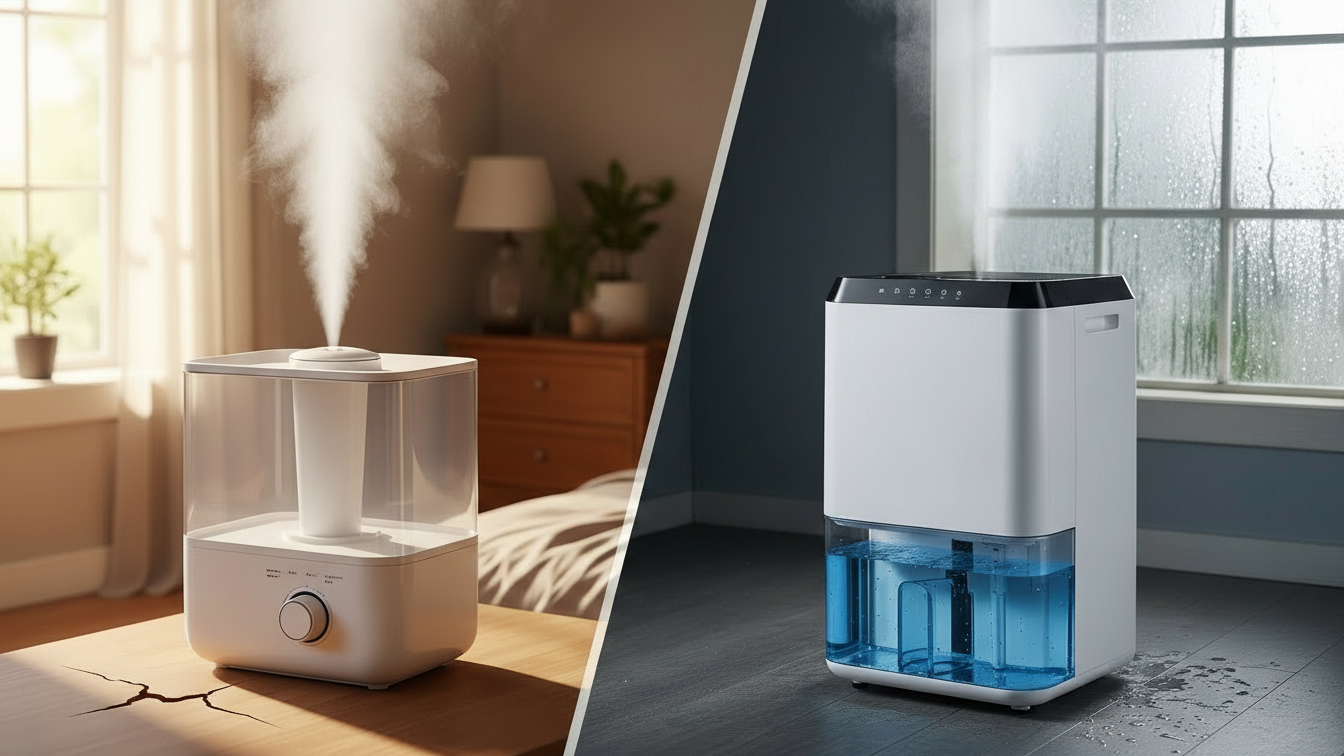
A humidifier and a dehumidifier do opposite jobs—so buying the wrong one is an easy way to waste money and stay uncomfortable.
The fastest way to choose is to stop guessing and look at what your home is actually doing: too dry or too damp.
This is a brand-neutral guide based on real symptoms, common home situations, and what usually works in practice.
The One-Sentence Answer
- Humidifier = adds moisture when your air is too dry
- Dehumidifier = removes moisture when your air is too humid
The “right” tool depends on your symptoms and your indoor humidity level.
The Most Accurate Way to Decide (Without Overthinking)
Buy a cheap hygrometer (humidity meter) or use one you already have in a thermostat/weather device.
Ideal indoor humidity range
40%–50% is the comfort sweet spot for most homes.
30%–60% is generally considered acceptable, depending on climate and season.
Now match your reading to the tool:
- Below ~35% most days → you likely need a humidifier
- Above ~60% most days → you likely need a dehumidifier
- 35–60% but you feel issues → you may need ventilation, filtration, or a targeted room solution
Signs You Need a Humidifier (Air Too Dry)
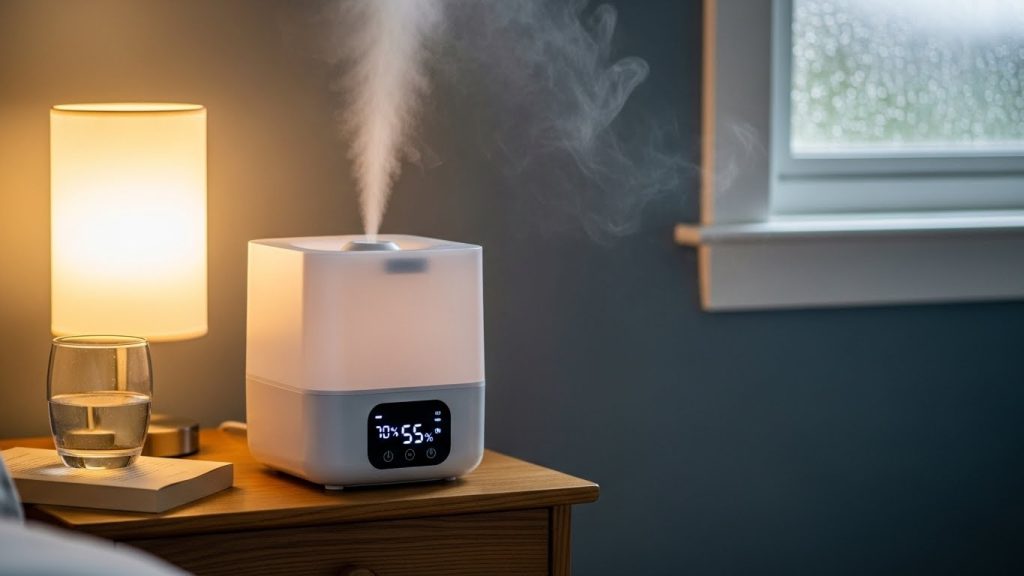
Dry air problems usually show up in winter or in air-conditioned rooms.
Common symptoms
- Waking up with a dry throat or stuffy nose
- Dry skin, cracked lips, irritated eyes
- More static shocks
- Frequent nosebleeds
- Wooden furniture/floors feel “dry” or creaky
- Plants drying out quickly
Common causes
- Cold winter air + heating (forced air heat is especially drying)
- Constant AC use
- Desert climates or high-altitude areas
Best places to use one
- Bedroom (most noticeable sleep improvement)
- Nursery or kid’s room
- Home office with AC running all day
Signs You Need a Dehumidifier (Air Too Damp)
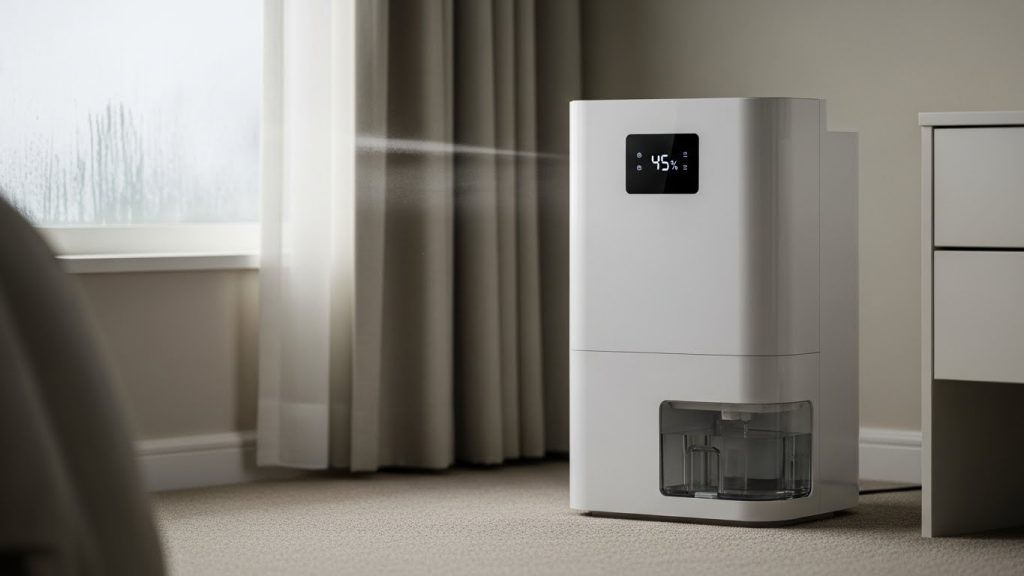
Humidity problems are common in warm climates, rainy seasons, and older homes.
Common symptoms
- Musty smell in a room or closet
- Damp-feeling air, sticky skin indoors
- Condensation on windows or cold walls
- Mold spots (bathroom corners, closet walls)
- Clothes/towels smell musty even when “clean”
- Dust mites/allergy symptoms getting worse
Common causes
- Humid climate or rainy season
- Poor ventilation (especially bathrooms/laundry rooms)
- Basements, ground floors, or rooms with little sunlight
- Water leaks or moisture intrusion
Best places to use one
- Bathrooms (if ventilation is weak)
- Closets or laundry areas
- Basements/ground-floor rooms
- Bedrooms in humid climates (quiet mode matters)
“But My Home Has Both Problems” (It Happens)
Some homes really do need both—just not at the same time.
Common scenarios
- Winter: dry air → humidifier
- Summer/rainy season: damp air → dehumidifier
- Different rooms: bedroom too dry from AC, bathroom too damp from showers
If this is you, the smartest move is often:
- A humidifier for the bedroom (comfort + sleep)
- A dehumidifier for the damp room (closet/bathroom/basement)
What Each Device Helps With (And What It Doesn’t)
Humidifier helps:
- Dry skin/throat/nasal irritation
- Static shock
- Comfort during heating season
- Some snoring caused by dryness (not medical advice)
Humidifier does NOT:
- Fix mold (it can make it worse)
- Replace proper ventilation
- Improve air quality by itself (it adds moisture, not filtration)
Dehumidifier helps:
- Musty odors from dampness
- Mold prevention (not remediation)
- Window condensation
- Damp closets and laundry smells
Dehumidifier does NOT:
- Remove smoke/particles like an air purifier
- Fix leaks or water intrusion (it only treats symptoms)
- Replace ventilation for bathrooms/kitchens
Biggest Mistakes People Make
Mistake #1: Using a humidifier in a humid home
This can push humidity into mold territory fast. If you already have condensation/musty smells, don’t add moisture.
Mistake #2: Using a dehumidifier when the air is already dry
This can make sleep worse (dry throat, irritated sinuses).
Mistake #3: Ignoring maintenance
- Dirty humidifiers can grow bacteria/mold if not cleaned
- Dehumidifiers need the tank emptied or a drain setup, plus filter cleaning
Quick Decision Guide (Based on Real-Life Clues)
Choose a humidifier if:
- Humidity is usually below 35%
- You feel dry throat/skin, static, nosebleeds
- It’s winter/heating season or constant AC dries you out
Choose a dehumidifier if:
- Humidity is usually above 60%
- You notice musty smells, window condensation, damp closets
- You live in a humid climate or have poor ventilation
My Practical Recommendation
If you’re not sure, don’t guess—measure.
- Get a hygrometer
- Check morning + evening readings for 3 days
- Make the call:
- <35% → humidifier
- >60% → dehumidifier
- in-between → focus on ventilation/air purifier, or fix specific problem areas
Final Verdict: What Your Home Actually Needs
Most homes need:
- Humidifier in winter (especially bedrooms)
- Dehumidifier in summer/humid climates (especially damp rooms)
But the “right one” is the one that brings your home closer to 40–50% humidity, where you sleep better and mold is less likely.